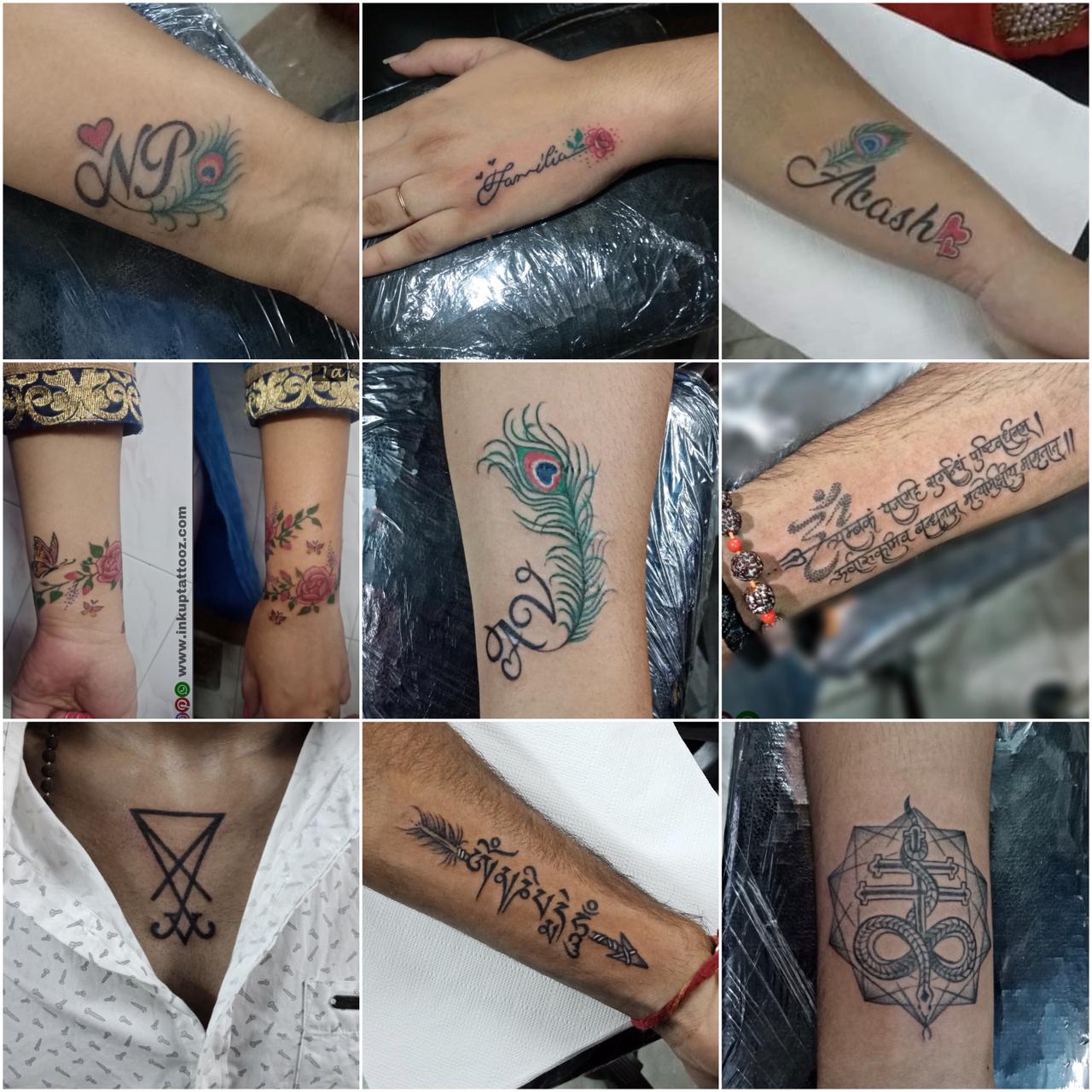
How to Choose the Perfect Tattoo Artist: Your Complete Guide to Finding the Right Match
Choosing your tattoo artist is arguably the most important decision in your entire tattoo journey. The artist you select will permanently mark your body with their work, making this choice one that requires careful consideration, thorough research, and trust. At Inkup Tattooz, we’ve seen firsthand how the right artist-client match leads to incredible results, while poor artist selection can result in disappointment, regret, or worse – a poorly executed tattoo.
This comprehensive guide will walk you through everything you need to know about selecting the perfect tattoo artist for your vision, ensuring your investment results in artwork you’ll cherish for a lifetime.
Why Artist Selection Matters More Than You Think
Many first-time tattoo seekers make the mistake of choosing an artist based solely on convenience, price, or location. However, your artist’s skill, experience, and style compatibility will determine whether you end up with a masterpiece or a disaster.
The Consequences of Poor Artist Selection
Technical Issues:
- Blown-out lines (ink spreading beyond intended boundaries)
- Uneven shading or color saturation
- Poor line work (shaky, inconsistent, or crooked lines)
- Incorrect depth resulting in scarring or poor ink retention
- Infections due to poor hygiene practices
- Asymmetrical or poorly proportioned designs
Artistic Problems:
- Design that doesn’t match your vision
- Style mismatch resulting in unsatisfying aesthetics
- Poor composition or placement
- Colors that fade quickly or look muddy
- Lack of dimension or depth in shading
- Generic or cookie-cutter appearance
Long-Term Regret:
- Tattoo that requires expensive laser removal
- Need for costly cover-up work
- Constant reminder of a poor decision
- Diminished confidence in body art
- Hesitation to get more tattoos
The Benefits of Choosing the Right Artist
Excellence in Execution:
- Clean, precise line work that ages beautifully
- Proper color saturation and blending
- Professional-grade shading and dimension
- Attention to anatomical considerations
- Designs that flow with your body’s natural contours
- Work that stands the test of time
Artistic Vision:
- Collaborative design process
- Custom artwork tailored to your personality
- Creative solutions to design challenges
- Unique pieces that reflect your individuality
- Thoughtful composition and placement
- Artwork you’re proud to display
Professional Experience:
- Confidence in the process
- Proper aftercare guidance
- Safe, hygienic practices
- Realistic expectations and honest communication
- Support throughout healing
- Touch-up services when needed
Understanding Different Artist Specializations
Just as you wouldn’t hire a portrait painter to design a logo, you shouldn’t choose a tattoo artist without considering their specialization.
Traditional and Neo-Traditional Specialists
What They Excel At:
- Bold line work with high contrast
- Limited but vibrant color palettes
- Iconic imagery (roses, daggers, eagles, ships)
- Designs that age exceptionally well
- Classic compositions with modern twists
- Decorative elements and ornamental details
Look For:
- Portfolio full of bold, clean lines
- Consistent color saturation
- Traditional motifs executed with skill
- Understanding of symbolism and meaning
- Balance between classic and contemporary
Perfect For:
- Clients wanting timeless designs
- Those appreciating vintage aesthetics
- People seeking symbolic imagery
- Anyone wanting tattoos that age gracefully
Realism Artists
What They Excel At:
- Photographic quality portraits
- Nature scenes and wildlife
- Detailed textures (fur, feathers, skin)
- Dimensional shading and depth
- Light and shadow manipulation
- Achieving lifelike appearances
Look For:
- Portfolio demonstrating photorealistic quality
- Mastery of light, shadow, and dimension
- Consistent success with complex subjects
- Attention to small details
- Understanding of human anatomy and proportion
Perfect For:
- Portrait tattoos of loved ones
- Wildlife and nature enthusiasts
- Those wanting museum-quality artwork
- Clients seeking deeply detailed pieces
Japanese Traditional Artists
What They Excel At:
- Large-scale compositions
- Traditional Japanese imagery (dragons, koi, tigers)
- Bold colors with strong black foundations
- Flowing designs that complement body contours
- Understanding of cultural symbolism
- Wind bars, waves, and traditional elements
Look For:
- Knowledge of Japanese tattoo traditions
- Portfolio of large-scale work
- Understanding of cultural meanings
- Proper use of traditional color palettes
- Respect for the art form’s history
Perfect For:
- Clients wanting large pieces or body suits
- Those appreciating traditional Japanese culture
- People seeking deeply symbolic designs
- Anyone wanting dramatic, eye-catching work
Geometric and Dotwork Specialists
What They Excel At:
- Precise, mathematical patterns
- Sacred geometry designs
- Mandala creations
- Clean, symmetrical compositions
- Stippling and dotwork shading
- Modern, minimalist aesthetics
Look For:
- Precision and attention to symmetry
- Clean, consistent line work
- Innovative pattern design
- Patience for time-intensive dotwork
- Understanding of geometric principles
Perfect For:
- Clients wanting modern, minimalist designs
- Those interested in sacred geometry
- People seeking unique, eye-catching patterns
- Anyone wanting precise, mathematical artwork
Watercolor and Illustrative Artists
What They Excel At:
- Flowing colors and painterly effects
- Soft, artistic appearances
- Creative interpretation of subjects
- Gradient blending and color transitions
- Combining painting techniques with tattooing
- Abstract and artistic expressions
Look For:
- Strong understanding of color theory
- Portfolio showing vibrant, well-blended colors
- Artistic creativity and vision
- Combination of solid foundations with watercolor effects
- Realistic expectations about longevity
Perfect For:
- Clients wanting artistic, painterly tattoos
- Those seeking unique, non-traditional appearances
- People comfortable with more frequent touch-ups
- Anyone valuing artistic expression over longevity
Blackwork and Tribal Specialists
What They Excel At:
- Bold, solid black designs
- Complex patterns and intricate details
- Negative space utilization
- Ornamental and decorative work
- Cultural tribal patterns
- Cover-up expertise
Look For:
- Consistent solid black saturation
- Intricate pattern work
- Understanding of negative space
- Cultural knowledge (for traditional tribal)
- Bold, confident execution
Perfect For:
- Clients wanting dramatic, bold statements
- Those seeking cover-up solutions
- People appreciating intricate patterns
- Anyone wanting designs that age exceptionally well
Research: Your First Step to Finding the Right Artist
Thorough research is non-negotiable when choosing your tattoo artist.
Online Portfolio Review
Instagram: Instagram has become the primary platform for tattoo artists to showcase their work.
What to Look For:
- Consistent quality across all posts
- Multiple examples of the style you want
- Healed tattoo photos (not just fresh work)
- Process videos showing technique
- Client testimonials and feedback
- Professionalism in captions and interactions
Red Flags:
- Only fresh tattoo photos (hiding poor healing results)
- Wildly inconsistent styles or quality
- Stolen work from other artists
- Unprofessional behavior or attitude
- Lack of recent work
- Heavy filters obscuring line quality
Website Portfolios: Professional artists often maintain websites with curated portfolios.
Benefits:
- Higher quality images
- Better organization by style or subject
- More comprehensive view of their work
- Professional presentation
- Easier to navigate than social media
What to Look For:
- Regular updates showing recent work
- Diverse examples within their specialization
- Clear, well-lit photography
- Information about their process and philosophy
- Testimonials from satisfied clients
Reading Reviews and Testimonials
Google Reviews: Look for patterns in feedback about:
- Artist’s professionalism and demeanor
- Studio cleanliness and atmosphere
- Communication and collaboration
- Final result satisfaction
- Healing and aftercare support
- Overall experience
Facebook and Yelp: Additional platforms for gathering client feedback and understanding the artist’s reputation.
What to Watch For:
- Consistent themes in positive reviews
- How the artist responds to negative feedback
- Specific mentions of skill and technique
- Comments about the consultation process
- Satisfaction with final results
Red Flags in Reviews:
- Multiple complaints about hygiene
- Patterns of poor communication
- Reports of defensive or unprofessional behavior
- Numerous mentions of needing corrections
- Issues with aftercare support
- Problems with pricing transparency
Industry Recognition and Awards
Tattoo Conventions: Artists who regularly participate in and win awards at tattoo conventions demonstrate commitment to their craft.
What This Indicates:
- Peer recognition within the industry
- Commitment to excellence
- Willingness to compete and be judged
- Networking with other professionals
- Staying current with industry trends
Professional Organizations: Membership in professional tattoo associations shows dedication to standards and continuing education.
Evaluating an Artist’s Portfolio: What to Look For
Not all impressive-looking portfolios represent consistently quality work. Here’s how to critically evaluate an artist’s portfolio:
Technical Skill Assessment
Line Work Quality:
- Are lines consistent in thickness?
- Do lines connect smoothly at corners?
- Are there wobbles, gaps, or overlaps?
- Do straight lines appear truly straight?
- Are curved lines smooth and flowing?
Shading Technique:
- Are gradients smooth or patchy?
- Is shading consistent across similar areas?
- Does dimensional shading create depth?
- Are there harsh transitions or smooth blending?
- Is black saturation solid or inconsistent?
Color Application:
- Are colors vibrant and well-saturated?
- Do colors blend smoothly where intended?
- Is there muddiness where colors meet?
- Are white highlights bright and clean?
- Do color palettes work harmoniously?
Composition and Balance:
- Do designs flow with body contours?
- Is placement thoughtful and intentional?
- Are proportions accurate (especially in portraits)?
- Does negative space enhance the design?
- Is overall balance aesthetically pleasing?
Healed Work vs. Fresh Tattoos
Why Healed Photos Matter: Fresh tattoos look vibrant and crisp immediately after completion, but the true test is how they look after healing.
What to Look For:
- Line work that remains clean and readable
- Colors that maintain vibrancy
- Shading that stays smooth and dimensional
- Minimal blowout or spreading
- Overall aging quality
Red Flags:
- Artist only shows fresh work
- Refusal to provide healed photos when asked
- Excessive filtering on all images
- Vague responses about long-term quality
Consistency Across Portfolio
What Consistency Indicates:
- Reliable skill level
- Repeatable quality
- Mastery of techniques
- Professional standards
- Trustworthy execution
Warning Signs:
- Dramatic quality variations between pieces
- One amazing piece among mediocre work
- Different apparent skill levels
- Possible stolen or copied work
- Inconsistent attention to detail
The Consultation: Your Opportunity to Assess Fit
The consultation is crucial for determining if an artist is right for you.
Preparing for Your Consultation
Bring to the Meeting:
- Reference images showing style preferences
- Photos of placement location from multiple angles
- Clear description of your concept and meaning
- Budget parameters
- Timeline expectations
- List of questions and concerns
Mental Preparation:
- Come with an open mind
- Be ready to listen to professional input
- Understand that good artists may suggest changes
- Prepare to discuss personal meaning
- Be honest about concerns and expectations
Questions to Ask During Consultation
About Their Experience:
- “How long have you been tattooing professionally?”
- “How many tattoos have you done in this style?”
- “What’s your experience with designs like mine?”
- “Have you encountered any challenges with similar pieces?”
About Their Process:
- “How do you approach custom design?”
- “How many design revisions do you typically allow?”
- “How far in advance do I see the final design?”
- “What’s your typical session length?”
- “How do you handle touch-ups if needed?”
About Health and Safety:
- “How do you ensure sterility in your workspace?”
- “What sterilization methods do you use?”
- “Can I see your autoclave spore test results?”
- “Are your needles and other materials single-use?”
- “What are your aftercare recommendations?”
About Business Practices:
- “What’s your pricing structure?”
- “What does the deposit cover?”
- “What’s your cancellation policy?”
- “Do you offer payment plans?”
- “How long is your typical waiting list?”
Red Flags During Consultation
Communication Issues:
- Dismissive of your ideas or concerns
- Unwilling to listen or collaborate
- Pushing you toward their vision
- Vague or evasive answers
- Defensive when questioned
Professional Concerns:
- Lack of portfolio or reluctance to share it
- Unable to provide healed photo examples
- No clear pricing or hidden fees
- Unprofessional behavior or environment
- Pressure to commit immediately
Safety and Hygiene:
- Visible uncleanliness
- Reluctance to discuss safety procedures
- No visible sterilization equipment
- Unwillingness to show workspace
- Dismissive attitude about health concerns
Positive Signs During Consultation
Professional Behavior:
- Takes time to understand your vision
- Asks thoughtful questions
- Provides honest feedback and suggestions
- Explains their process clearly
- Shows enthusiasm for your project
Technical Expertise:
- Discusses design specifics knowledgeably
- Explains how they’ll execute certain techniques
- Addresses potential challenges proactively
- Offers creative solutions
- Demonstrates mastery of their craft
Business Professionalism:
- Clear pricing and policies
- Transparent about all costs
- Organized booking system
- Professional communication
- Respects your budget and timeline
Understanding Pricing: Why Cheap Tattoos Are Expensive
Artist pricing reflects their skill, experience, and the quality of work you can expect.
What Influences Pricing
Artist Experience and Skill:
- Years of professional tattooing
- Specialized training and education
- Industry recognition and awards
- Demand for their work
- Quality and consistency of results
Design Complexity:
- Level of detail required
- Color vs. black and grey
- Custom design time
- Technical difficulty
- Size and placement
Time Requirements:
- Estimated session length
- Multiple sessions for large pieces
- Design development time
- Consultation time
Shop Overhead:
- Studio location and quality
- Equipment and supply costs
- Licensing and insurance
- Staff and support
- Health and safety compliance
Typical Pricing Structures
Hourly Rate:
- Common for custom, large pieces
- Rates typically range from $100-300+ per hour
- Higher for experienced, in-demand artists
- Fair for both artist and client
- Allows for accurate compensation for complex work
Flat Rate:
- Often used for smaller, simpler pieces
- Includes design and execution
- Clear upfront cost
- Good for straightforward designs
- May be more economical for small pieces
Day Rate:
- For extensive session work
- Typically 6-8 hours
- Often discounted vs. hourly
- Common for large pieces
- Requires significant commitment
Why You Shouldn’t Choose Based on Price Alone
The “Cheap Tattoo” Problem:
- Often indicates lack of experience
- May reflect poor quality supplies
- Could mean compromised safety standards
- Usually results in inferior work
- Frequently requires expensive fixes
The Real Cost of Cheap Tattoos:
- Laser removal: $200-500 per session, requiring 6-12+ sessions
- Cover-up work: Often costs 2-3x the original
- Emotional toll of regret
- Loss of confidence in body art
- Potential health complications
Investing in Quality:
- Beautiful work worth the investment
- Lasts a lifetime with proper care
- Pride in displaying your tattoo
- No regrets or need for correction
- Safe, professional experience
Specialization Matching: Finding Your Style Soulmate
The right artist for your friend may not be right for you. Style matching is crucial.
Identifying Your Style Preferences
Self-Assessment Questions:
- What art styles do I naturally gravitate toward?
- What tattoos have I saved or admired?
- Do I prefer bold or delicate aesthetics?
- Am I drawn to color or black/grey?
- Do I want something traditional or contemporary?
Style Research:
- Browse various artists’ portfolios
- Save examples that resonate with you
- Identify common themes in your favorites
- Note what you don’t like
- Consider how different styles age
Matching Artist to Style
Traditional/Neo-Traditional: Look for artists with:
- Consistent bold line work
- Vibrant color application
- Traditional motif experience
- Understanding of symbolism
- Balance of old and new techniques
Realism: Look for artists with:
- Photographic quality portfolio
- Portrait experience (if applicable)
- Masterful shading technique
- Understanding of light and dimension
- Anatomical accuracy
Japanese Traditional: Look for artists with:
- Cultural knowledge and respect
- Large-scale work experience
- Traditional color palette mastery
- Understanding of composition rules
- Respect for the art form
Geometric/Dotwork: Look for artists with:
- Precision and symmetry
- Clean, consistent line work
- Pattern design creativity
- Patience for detailed work
- Mathematical understanding
Watercolor/Illustrative: Look for artists with:
- Color theory expertise
- Artistic creativity
- Understanding of longevity issues
- Combination techniques
- Realistic client education
Location and Accessibility Considerations
While quality should be your primary concern, practical factors matter too.
Local vs. Travel
Benefits of Local Artists:
- Easier consultation meetings
- Simpler to schedule multiple sessions
- More convenient for touch-ups
- Build ongoing relationship
- Support local business
When to Consider Traveling:
- Can’t find desired style locally
- Specific artist’s work strongly resonates
- Willing to make the investment
- Can accommodate scheduling
- Worth the extra effort for dream artist
Travel Considerations:
- Budget for transportation and possibly accommodation
- Plan for extended time away
- Arrange aftercare during travel
- Consider follow-up session logistics
- Research artist thoroughly before committing
Shop Environment Matters
What to Look For:
- Clean, organized workspace
- Professional atmosphere
- Comfortable waiting area
- Friendly, helpful staff
- Good energy and vibe
Red Flags:
- Visible uncleanliness
- Unprofessional behavior
- Uncomfortable atmosphere
- Lack of organization
- Dismissive staff
The Artist-Client Relationship
The best tattoo experiences come from positive, collaborative relationships.
Building Trust and Rapport
Effective Communication:
- Be clear about your vision
- Listen to professional advice
- Ask questions when uncertain
- Provide honest feedback
- Respect the artist’s time and expertise
Realistic Expectations:
- Understand technical limitations
- Trust the artist’s judgment on what works
- Be flexible about minor adjustments
- Accept that perfection is subjective
- Recognize that good work takes time
Mutual Respect:
- Value the artist’s expertise
- Arrive on time and prepared
- Follow aftercare instructions
- Pay fairly for quality work
- Provide constructive feedback
Warning Signs of Poor Artist-Client Fit
Communication Issues:
- Artist doesn’t listen to your ideas
- You don’t feel heard or understood
- Conflicting visions for the design
- Dismissive attitude toward concerns
- Lack of enthusiasm for your project
Process Concerns:
- Rushing through consultation
- Unwilling to make adjustments
- Defensive about feedback
- Pressure to commit quickly
- Unclear about process or timeline
Personal Discomfort:
- Don’t feel at ease with the artist
- Sense of being judged
- Uncomfortable in the environment
- Gut feeling something is off
- Lack of confidence in their abilities
Making Your Final Decision
After research and consultations, it’s time to commit.
Decision-Making Checklist
Technical Criteria:
- [ ] Portfolio demonstrates consistent quality
- [ ] Experience with your desired style
- [ ] Healed work examples look excellent
- [ ] Technical skills meet your standards
- [ ] Shop and equipment are clean and professional
Professional Standards:
- [ ] Clear communication and expectations
- [ ] Transparent pricing and policies
- [ ] Professional business practices
- [ ] Positive reviews and reputation
- [ ] Proper licensing and insurance
Personal Compatibility:
- [ ] Artist understands your vision
- [ ] Feel comfortable with their personality
- [ ] Trust their artistic judgment
- [ ] Excited about their interpretation
- [ ] Confident in their abilities
Practical Considerations:
- [ ] Pricing fits your budget
- [ ] Schedule works with yours
- [ ] Location is accessible
- [ ] Waiting time is acceptable
- [ ] Terms and policies are agreeable
Trusting Your Instincts
After completing your research and meeting artists, trust your gut feeling. If something feels off or you’re not completely comfortable, keep looking. The right artist will:
- Make you feel excited and confident
- Understand and enhance your vision
- Create a comfortable, professional experience
- Inspire trust through their work and behavior
- Be someone you’d recommend to others
Why Choose Inkup Tattooz
At Inkup Tattooz, we’ve built our reputation on artist excellence and client satisfaction.
Our Artist Selection Process
We Only Hire:
- Extensively trained professionals
- Artists with proven portfolios
- Specialists in diverse styles
- Individuals committed to ongoing education
- Professionals with excellent client relations
Our Standards
Technical Excellence:
- Consistent, high-quality work
- Mastery of multiple techniques
- Attention to finest details
- Clean, precise execution
- Results that exceed expectations
Professional Integrity:
- Honest communication
- Transparent pricing
- Clear policies
- Ethical business practices
- Client-focused approach
Collaborative Process:
- Thorough consultations
- Custom design development
- Open communication
- Flexibility within artistic vision
- Commitment to your satisfaction
Safety and Hygiene:
- Hospital-grade sterilization
- Single-use needles and supplies
- Clean, organized workspace
- Proper licensing and insurance
- Strict safety protocols
Conclusion: Your Perfect Artist Match Awaits
Choosing the right tattoo artist is an investment in permanent body art that will stay with you for life. By conducting thorough research, carefully evaluating portfolios, attending consultations, and trusting your instincts, you can find the perfect artist match for your vision.
At Inkup Tattooz, our diverse team of specialized artists offers expertise across multiple styles, ensuring we have the perfect match for your tattoo vision. We pride ourselves on technical excellence, professional integrity, and creating collaborative, satisfying experiences for every client.
Ready to find your perfect artist match? Contact Inkup Tattooz today to schedule consultations with our talented team. Let’s explore your vision, match you with the ideal artist, and begin the journey toward creating the tattoo of your dreams.
Your perfect artist is waiting – and we’re here to help you find them.


Related Posts

Inkup Tattooz: Where Artistry Meets Excellence in Professional Tattooing

The Ultimate Tattoo Aftercare Guide: Ensuring Your Ink Heals Perfectly
Exploring Tattoo Styles: A Comprehensive Guide to Finding Your Perfect Design

The Ultimate Guide to Tattoo Cover-Ups: Transform Your Regret into a Masterpiece